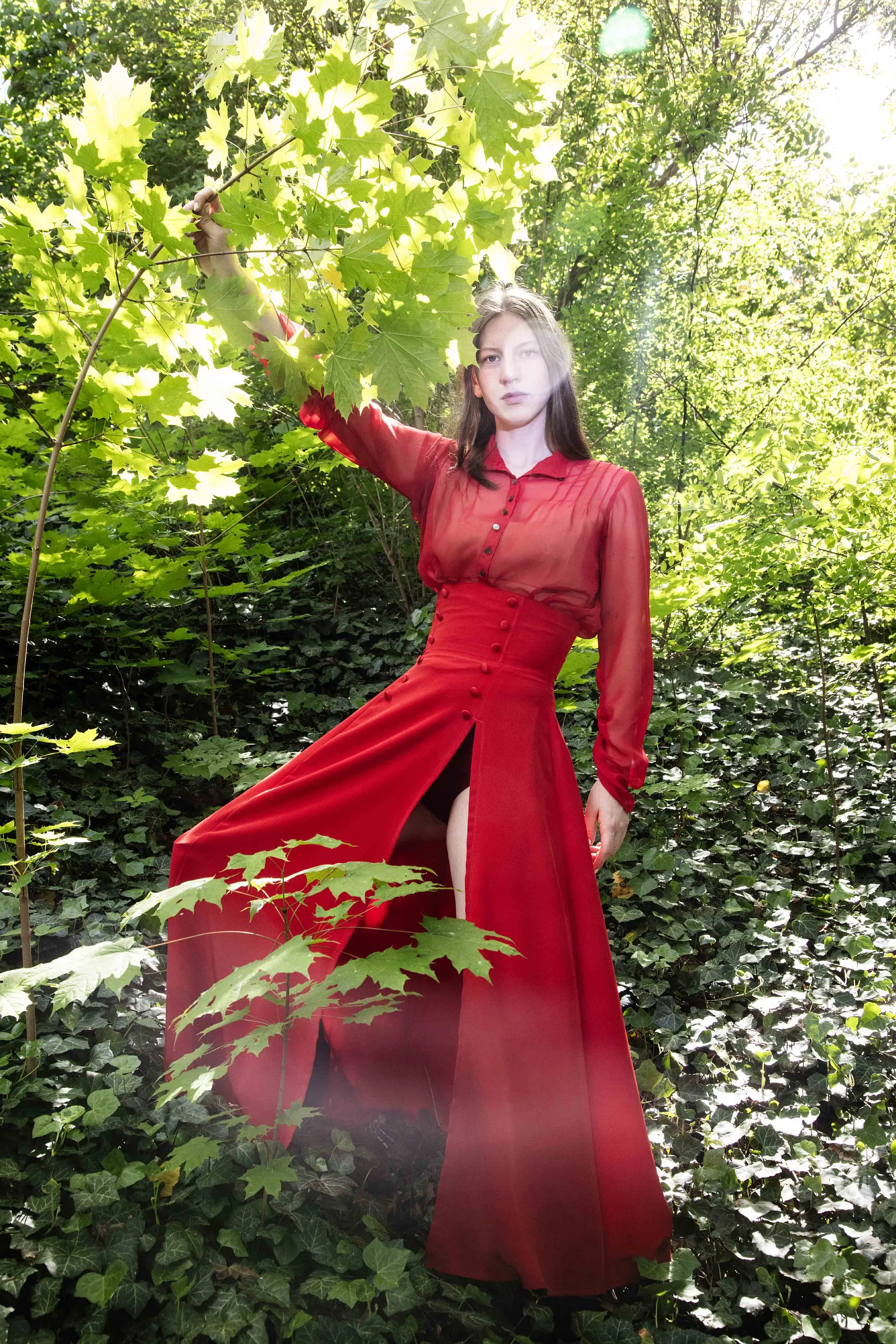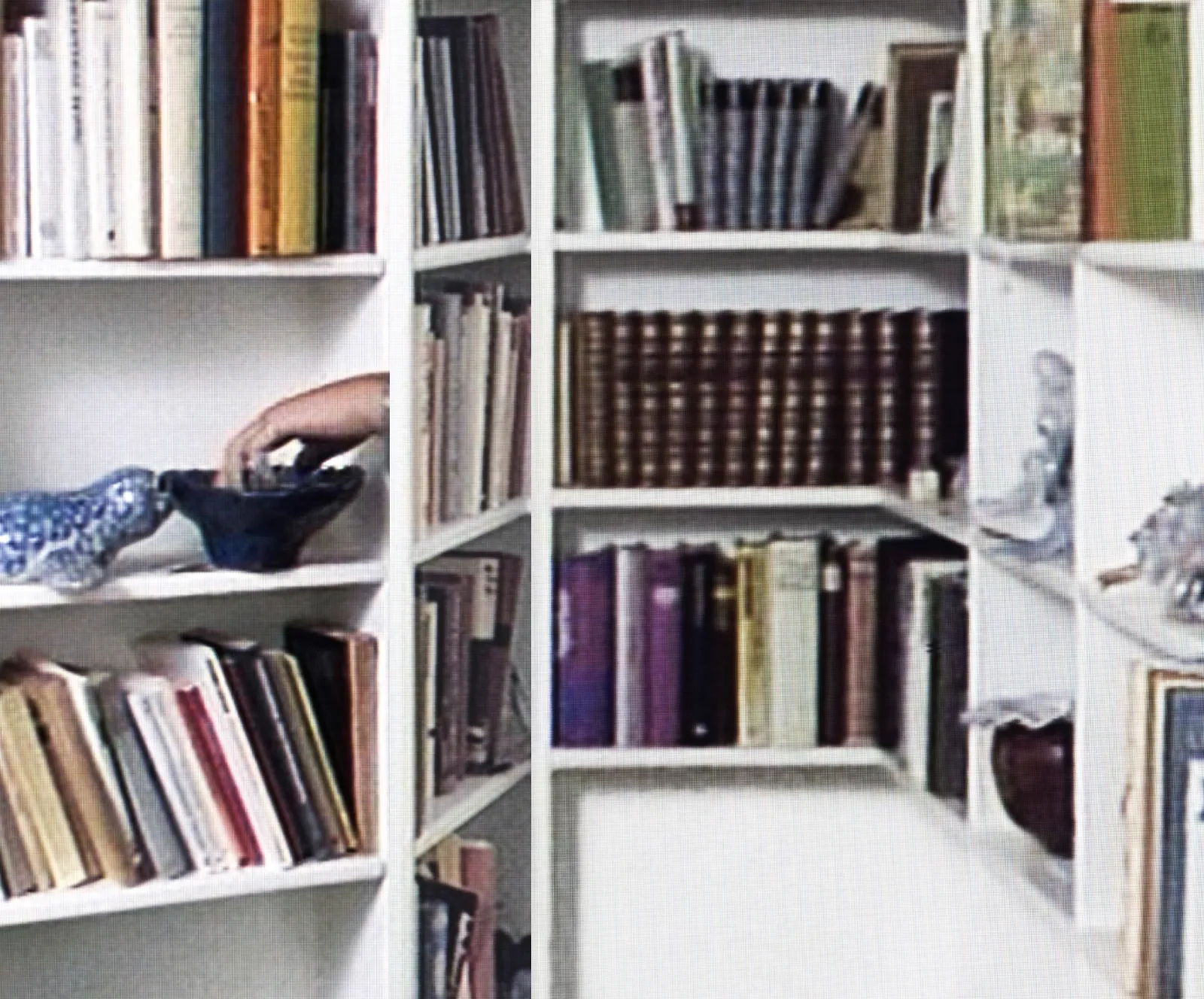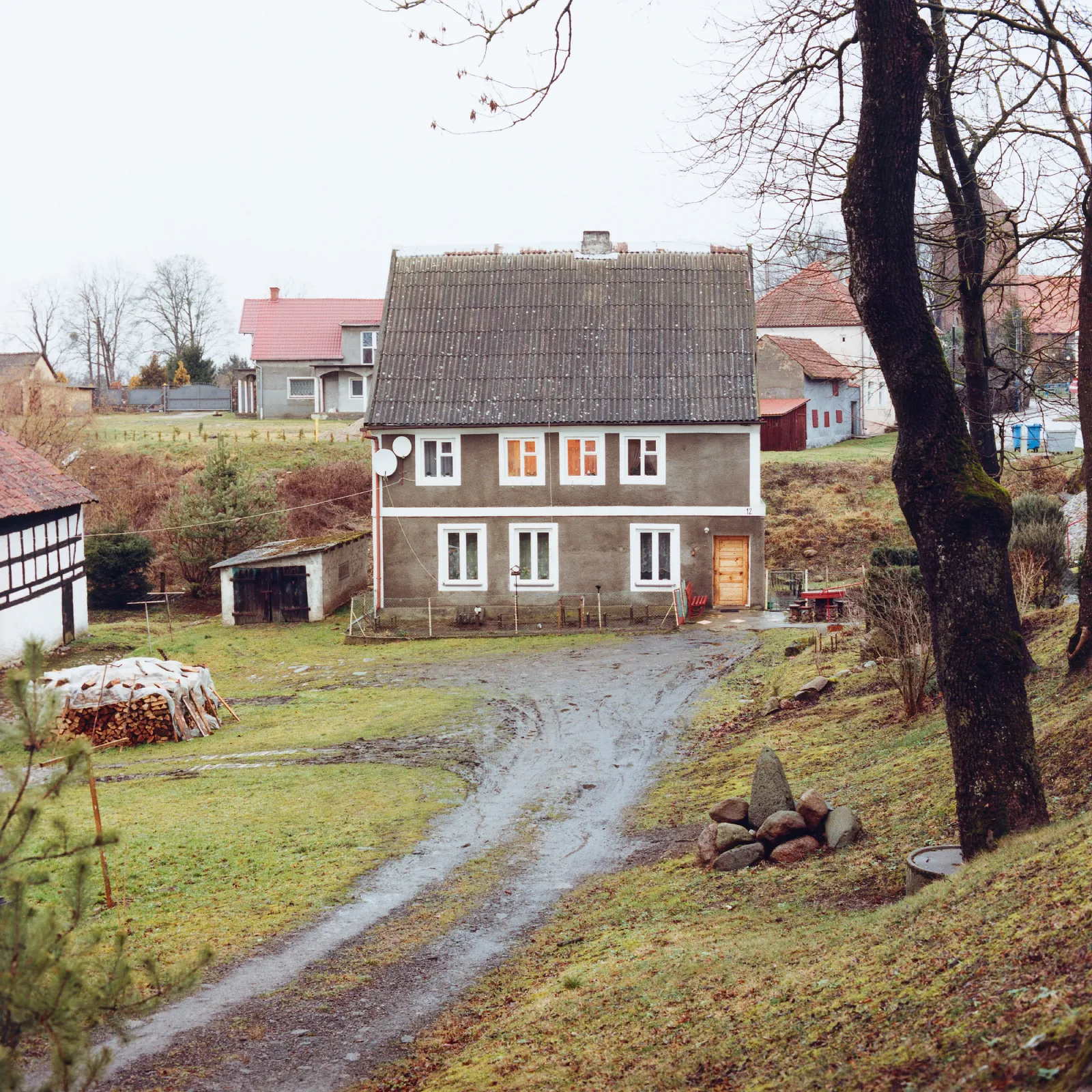
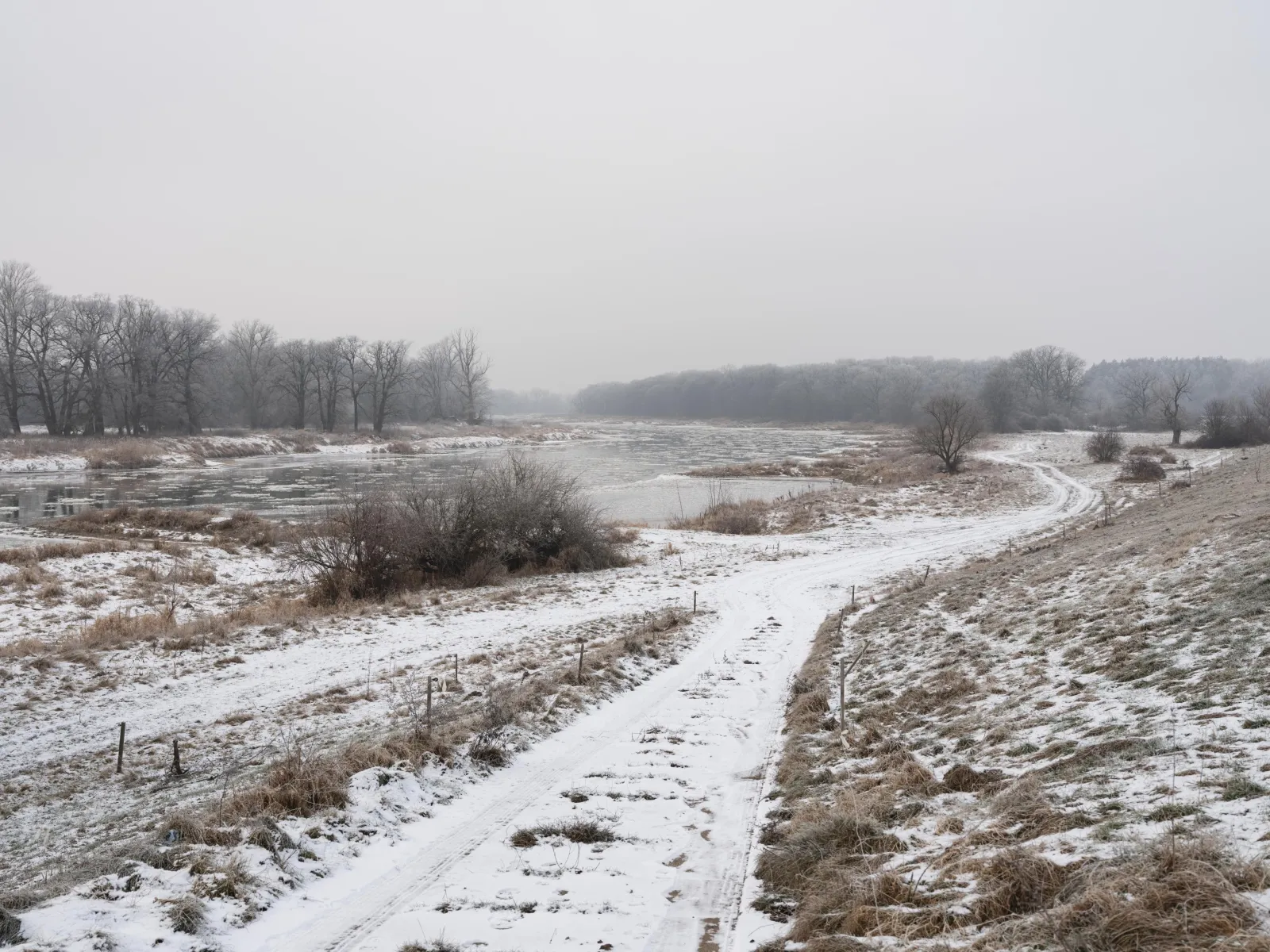
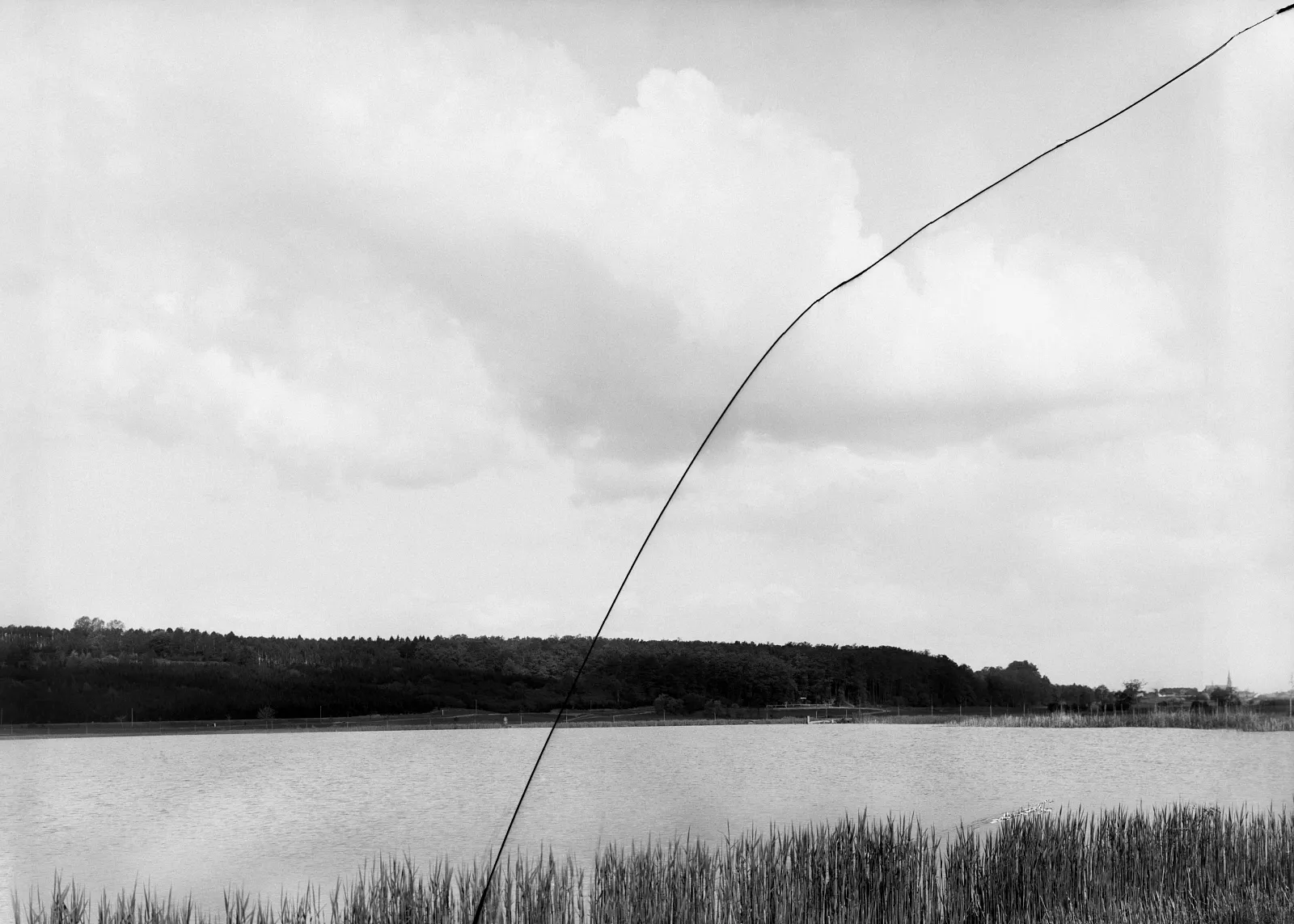
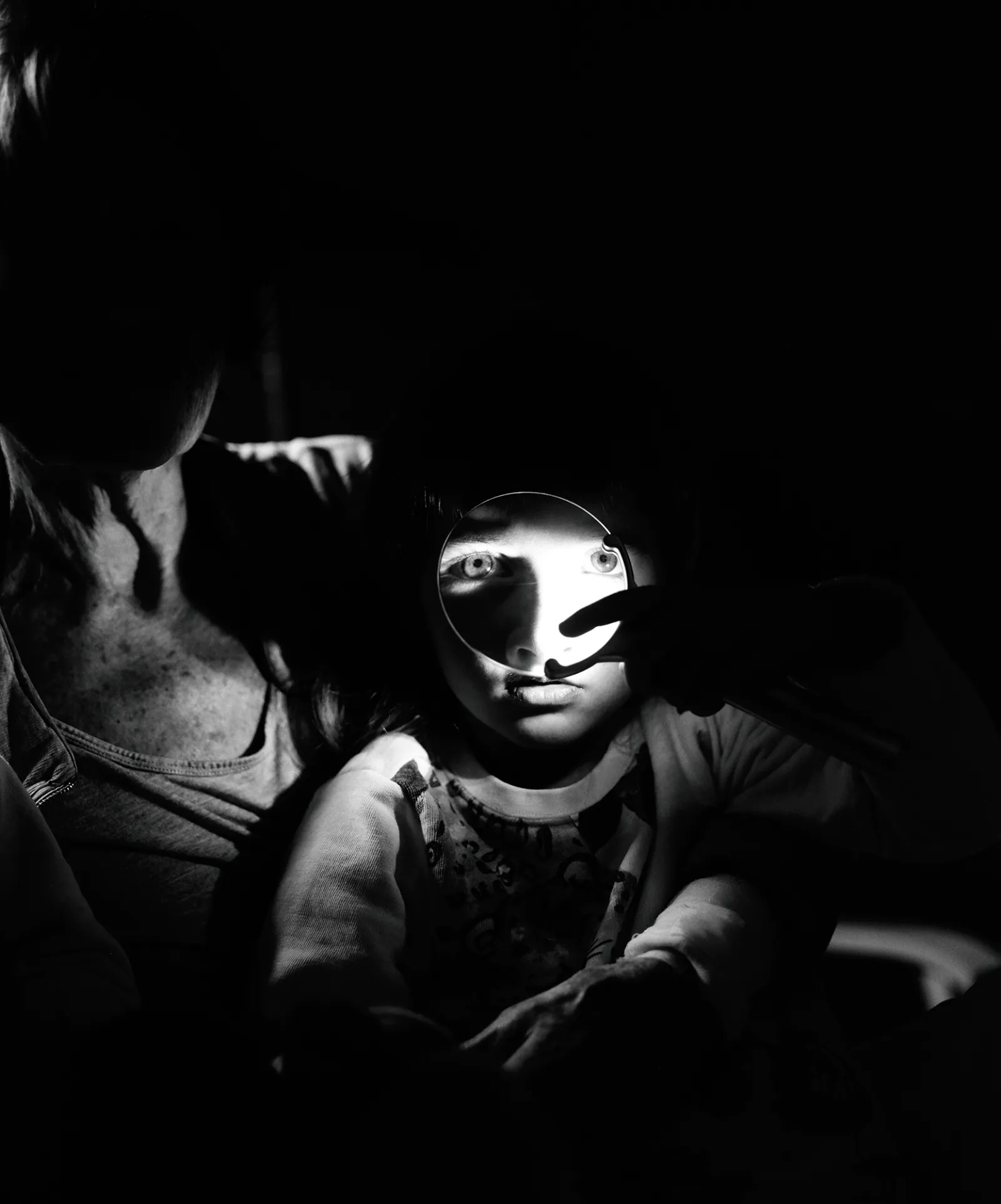
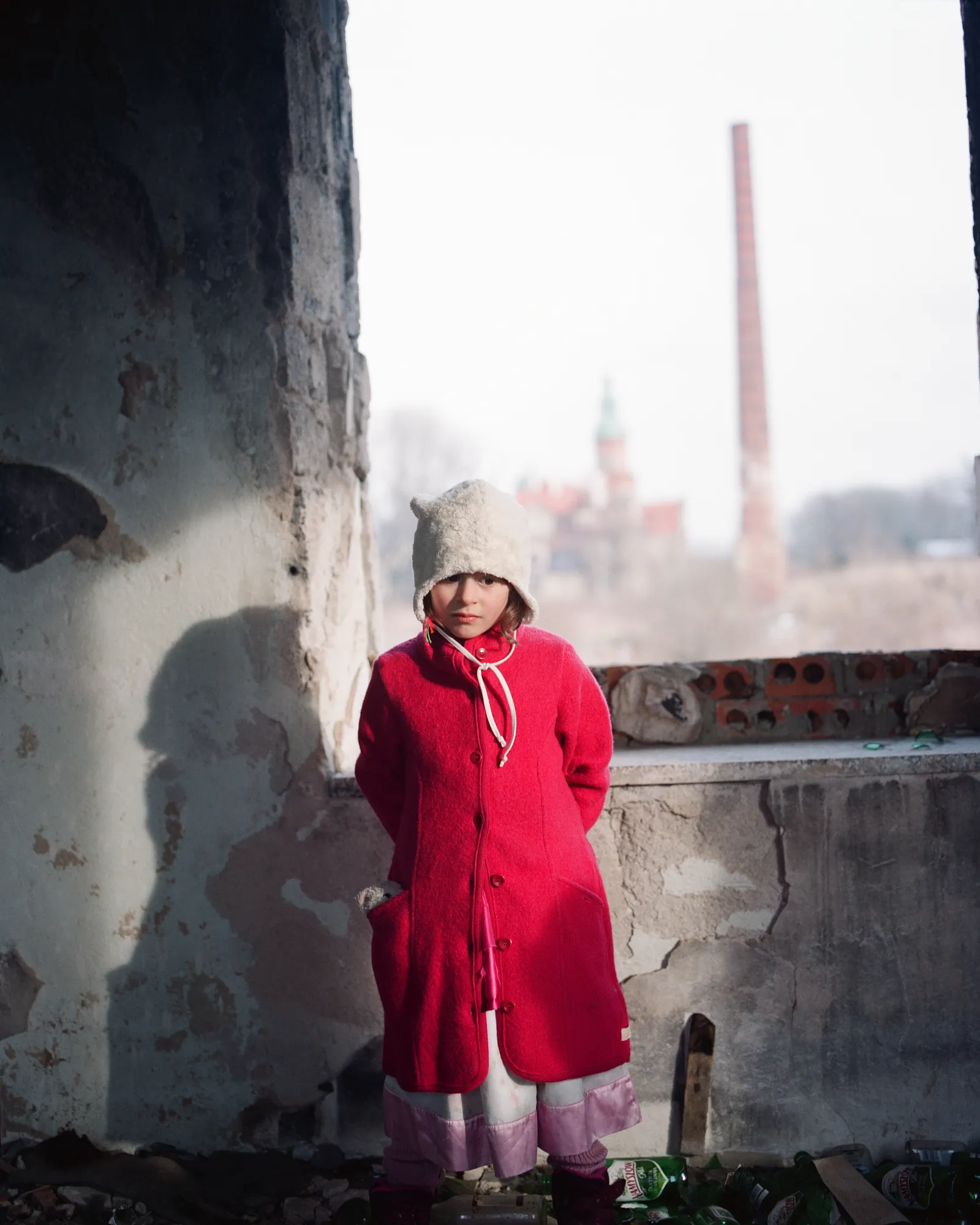
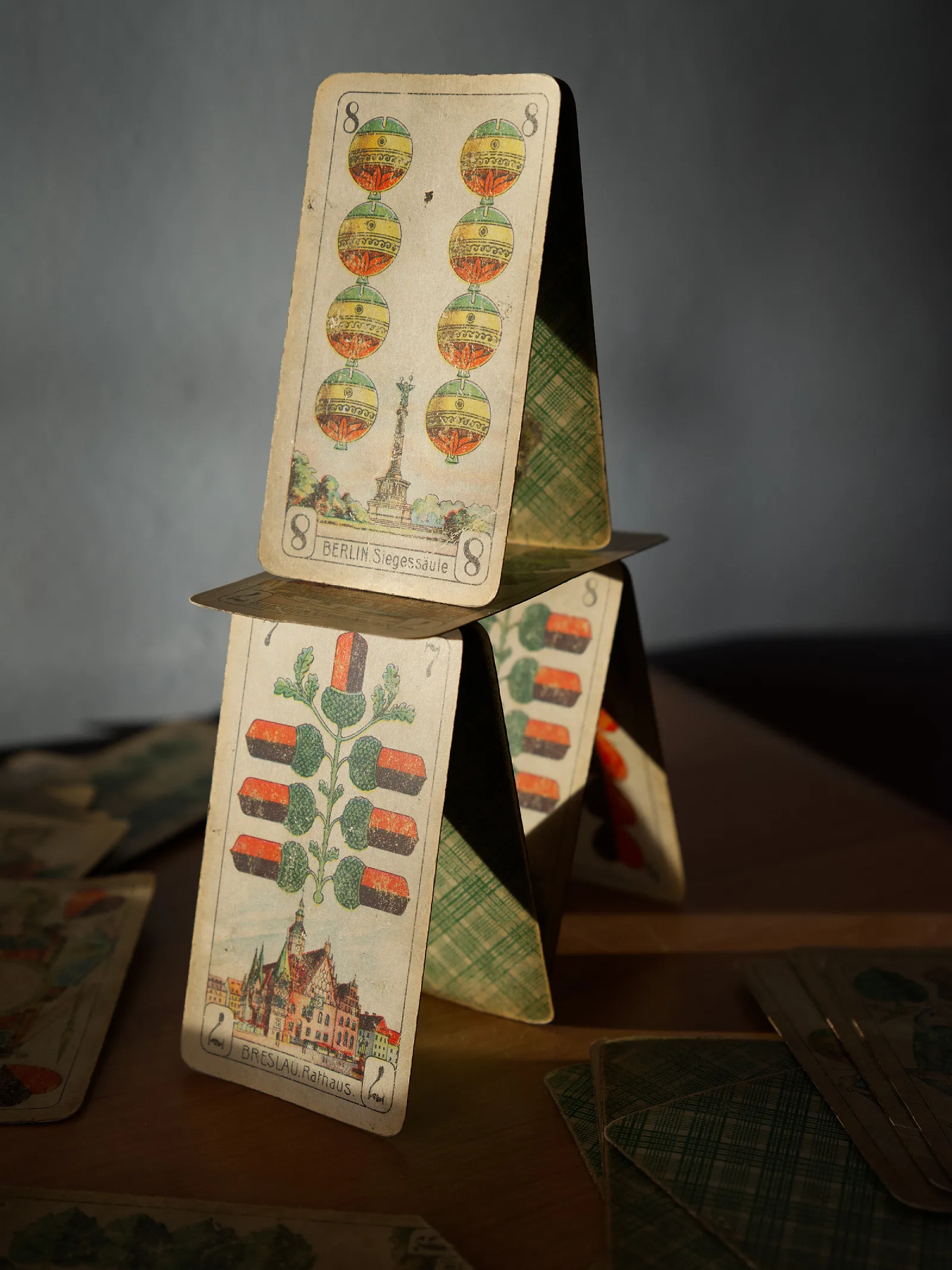
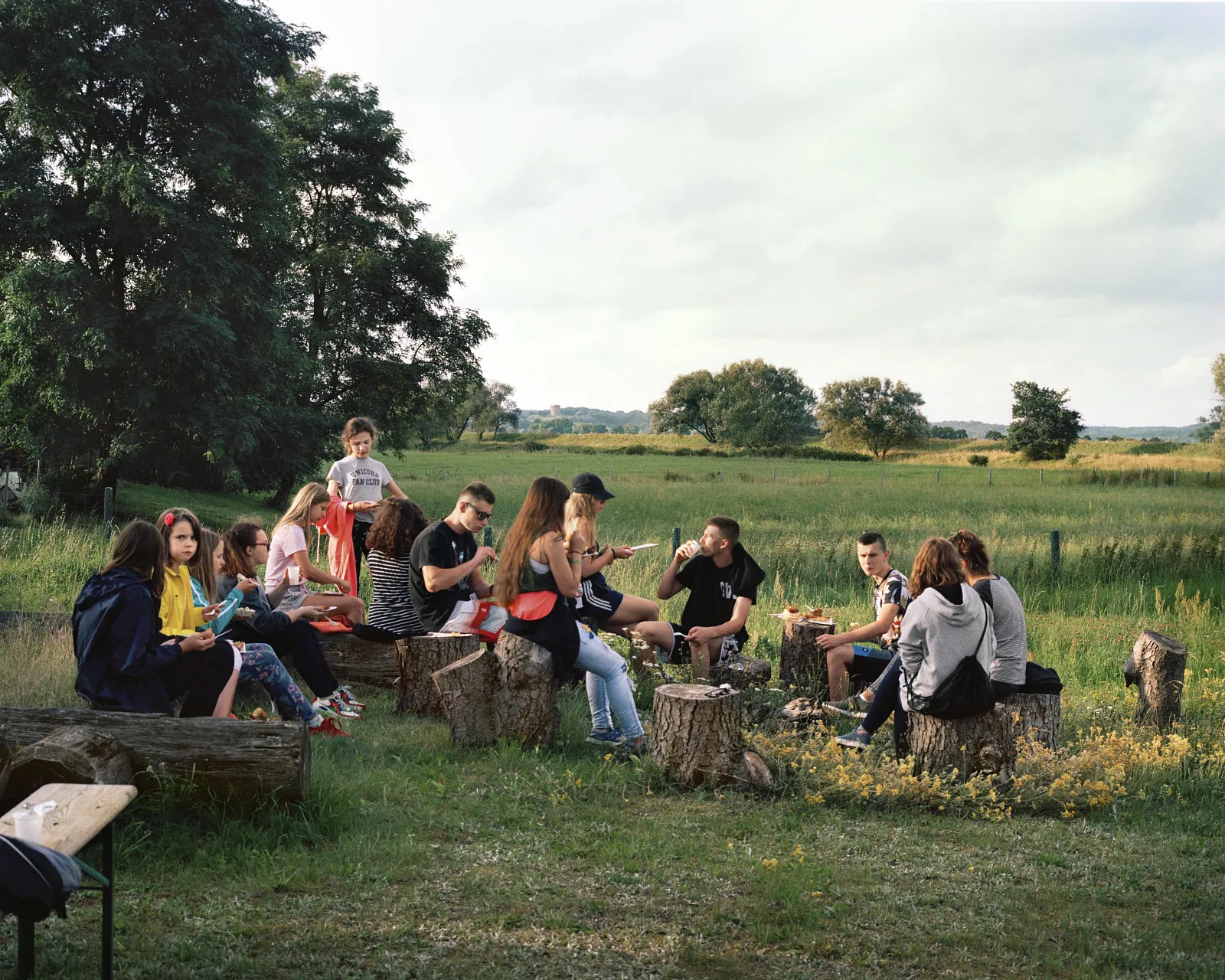
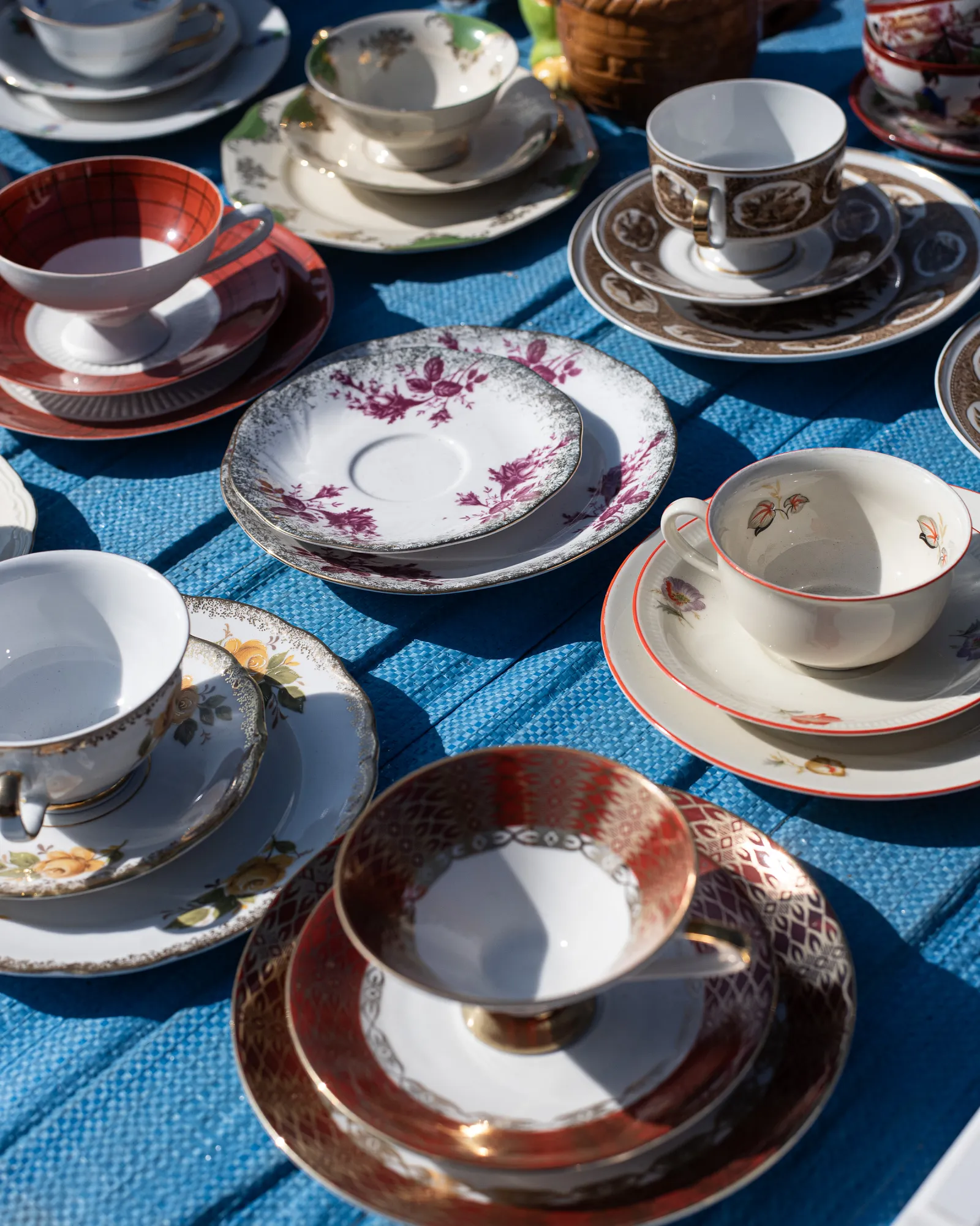
To mark the 35th anniversary of the German-Polish Neighbourhood Treaty, signed on June 17, 1991, the Documentation Centre for Displacement, Expulsion and Reconciliation is opening the new special exhibition “Ostgebiete / Ziemie Zachodnie. German-Polish Perspectives” on May 28, 2026 at 6:30 pm. Ten photographers from Germany and Poland explore the shared space of memory beyond the Oder and Neisse rivers, whose history has been recounted over decades from different national perspectives.
After the Second World War, Europe was reorganised by the Allies. As a result of Poland’s westward shift, large parts of the German Eastern Territories became the Polish Western Territories. For many Germans, the former German Eastern Territories are still associated today with flight and expulsion, with the loss of home and memories that live on within families. In Poland, the Ziemie Zachodnie, the Western Territories, tell of arriving in a foreign environment, of a new beginning after war and occupation and of slowly becoming fa miliar with places that had been shaped by German culture until 1945. These experiences do not just stand in contrast to one another, but are closely intertwined.
At a time when European cultures of remembrance are being renegotiated and the generation of eyewitnesses is passing away, the exhibition explores how history lives on in landscapes, families and images. It examines how different memories of the same places can coexist and relate to one another.
The team at the Documentation Centre, under the project leadership of Barbara Kurowska and Arvid Peschel, was supported by Karolina Gembara as artistic curator. The exhibition understands memory not as a closed narrative, but as a polyphonic and contradictory space of experience.The participating artists work with fragmentary archives, family histories and personal approaches to displacement, expulsion and new beginnings. The focus is not merely on historical reconstruction, but on the question of what traces the violent shifts in borders and populations after 1945 have left in landscapes, biographies and memories to this day, both in Germany and in Poland. Photography thereby becomes a medium of engagement with the visible and the repressed, with places whose German past continues to have an impact to this day.
The exhibition is presented entirely in three languages: German, Polish and English.
Featuring works by:
Karolina Gembara, Annette Hauschild, Thomas Meyer, Katarzyna Mirczak, Filip Piotrowicz, Natalia Poniatowska, Linn Schröder, Ina Schoenenburg, Wojtek Sienkiewicz, Heinrich Völkel
Artistic curator: Karolina Gembara
Project leads: Barbara Kurowska, Arvid Peschel
Design: Naroska Design
In cooperation with: OSTKREUZ – Agentur der Fotografen
Framework program
☞ Sign-up for PiE’s free, weekly Newsletter and stay up to date!
Thursday, May 28, 2026, 6:30 pm
Opening reception
Free admission, registration required at veranstaltungen@f-v-v.de
Public Offers
Every Sunday 11:30 am (German) and 12:30 pm (English)
Guided tours (de/en)
Free without registration.
Details
Saturday, June 6 & Sep 5, 2026, 2 – 5 pm
Writing Workshop (en/de/pl)
In our writing workshop, the theme ‘Words Connect’ comes to life. Our June meeting will focus on exploring the special exhibition ‘OSTGEBIETE / ZIEMIE ZACHODNIE. German-Polish Perspectives’. Photographers from Germany and Poland engage here in a visual dialogue on memory, identity and transformation. With pen in hand, we explore German-Polish perspectives on a shared space of memory which, to this day, holds history and stories for us that have the potential not only to help us better understand the present, but also to shape our future together. A collaboration with the Polish Language Café. Price: Free without registration, limited places.
Details
Sunday, July 12 & Aug 9 & Oct 11, 2026, 2 – 5 pm
Comic Workshop (en/de)
In the special exhibition we draw inspiration from the photographic works of German and Polish artists. What stories do the images tell about flight, loss, alienation and new beginnings? Which memories and traces of past worlds come to light, and which remain hidden? Following an introductory g uided tour, we will create comics in which our own impressions, memories and perspectives on the exhibition are brought to life. Creative workshop led by: Ami Bogin, illustrator and comic artist. Price: Free without registration.
Details
Friday, Oct 2, 2026, 5 pm
Artist Talk & Short Tour with Filip Piotrowicz (en).
Details
Friday, Oct 16, 2026, 5 pm
Artist Talk & Short Tour with Thomas Meyer (de)
Details
Bookable offers for school and adult groups
Guided Tour for Adults (en/de)
The tour explores individual artistic perspectives within the exhibition, examining how the past is remembered and passed on, and how photographs convey experiences of loss, alienation and belonging right up to the present day. What remains visible and what fades away? What traces of past ways of life can still be found today in places, objects and family stories?
Target Group: Adults
Duration: 60 Minutes
Language: German, English
Price: a flat fee of 50 € (discounted to 25 € for registered associations)
For groups of up to 22 people
Bookable from June 2026 via gruppen@f-v-v.de
Available on Tuesdays, Thursdays and Fridays from 10.15 am to 3.45 pm (latest start time), and on Wednesdays from 10.30 am to 2.45 pm (latest start time)
Details
Guided Tour for Adult Groups & School Classes
The guided tour links the special exhibition with the permanent exhibition. Through photographic works by German and Polish artists, as well as historical objects, photographs a nd eyewitness accounts, it explores the themes of flight, expulsion and the shifts in the German-Polish border following 1945. The focus is on experiences of loss, alienation and new beginnings, as well as the question of how memories are passed on and con tinue to shape places and family histories to this day.
Target group: Adults; 10th until 13th grade, IHK students, university students
Duration: 90 Minutes
Language: German, English
Price: A flat fee of 70 € (discounted to 35 € for registered associations); or free of charge as part of school lessons, youth education or a university seminar
For groups of up to 22 people (larger groups will be split)
Bookable from June 2026 via gruppen@f-v-v.de
Available: Tuesday, Thursday and Friday from 10.15 am to 3.30 pm (latest start time), Wednesdays 10.30 am – 2.30 pm (latest start time)
Details
Workshop for Adult Groups & School Classes
The workshop focuses on differing German and Polish memories of loss, origins, alienation and belonging. It explores gaps and contradictions: which stories are passed down with in families, and which are pushed into the background? How do memories change over the generations? And how do they shape our view of the past and the present?
Target group: Adults; 10th until 13th grade, IHK students, university students
Duration: 90 Minutes
Language : German, English
Price: free of charge as part of school lessons, youth education or a university seminar
For groups of up to 18 people (larger groups will be split)
Bookable from June via gruppen@f-v-v.de
Available: Tuesdays, Thursdays and Fridays from 10.15 am to 2.30 pm (latest start time), Wednesdays 10.30 am – 1.30 pm (latest start time)
Details