

To mark “Lower Saxony Day” from June 12–14 in Braunschweig, the exhibition presents works selected by a jury as part of a photography competition focusing on social engagement and volunteer work in the region.
At the same time, the photographic legacy of the artist Ommo Wille (1959–2024) will be introduced. Shortly after the fall of the Berlin Wall, Ommo Wille extensively explored former border locations in the region and their structural ruptures.
The exhibition, titled “With a Little Help from Our Friends,” is held under the patronage of Braunschweig’s Mayor, Dr. Thorsten Kornblum. It features works selected via an open call photography competition on social engagement and volunteerism by a six-member jury of experts in photography, art, and journalism.
The impetus for the competition and the associated exhibition is the “Lower Saxony Day,” which will be held in Braunschweig for the first time from June 12–14, 2026. Celebrated annually as the “State Festival of Volunteers,” the event is dedicated to the region’s diversity and various aspects of civic engagement.
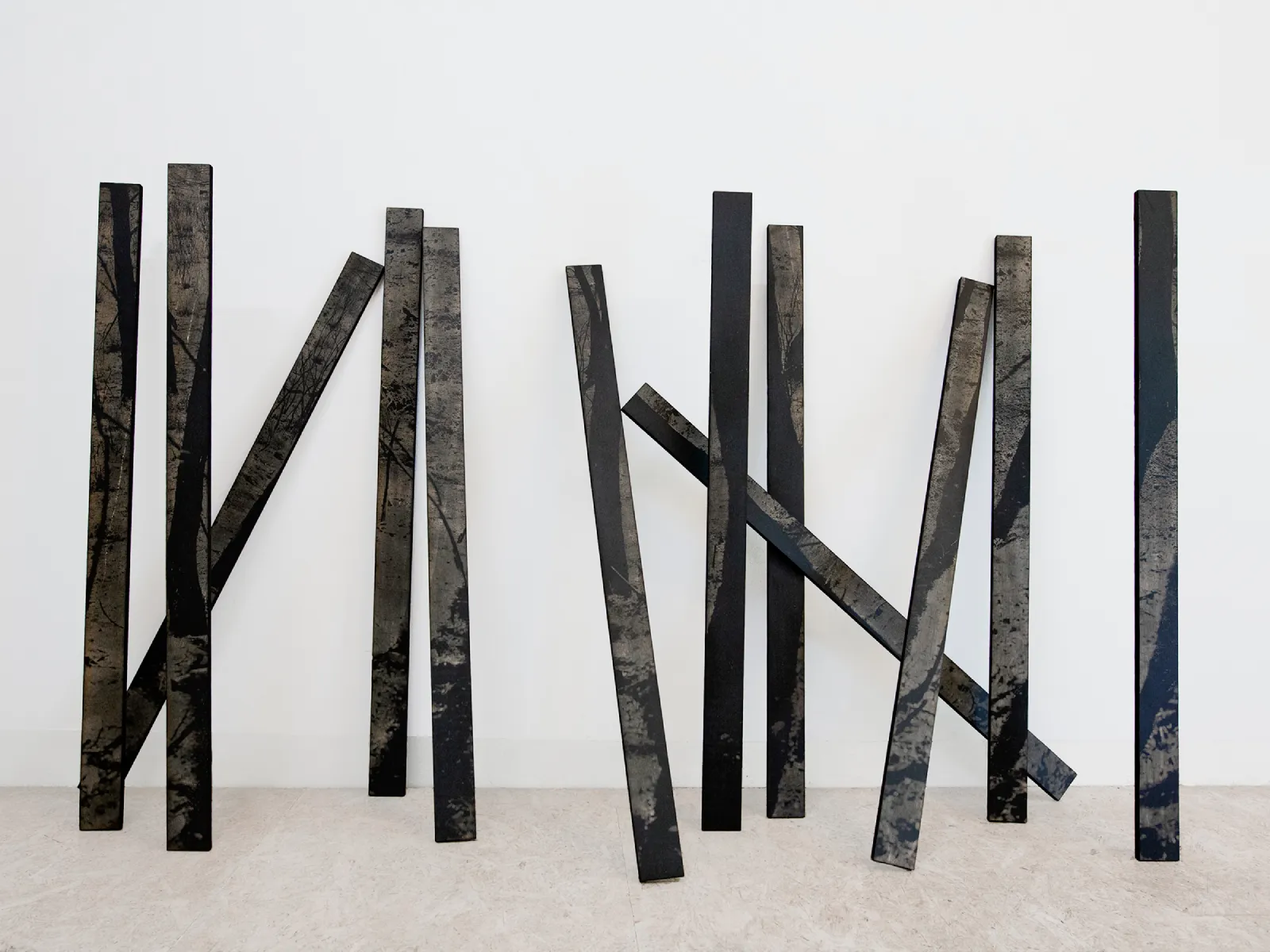
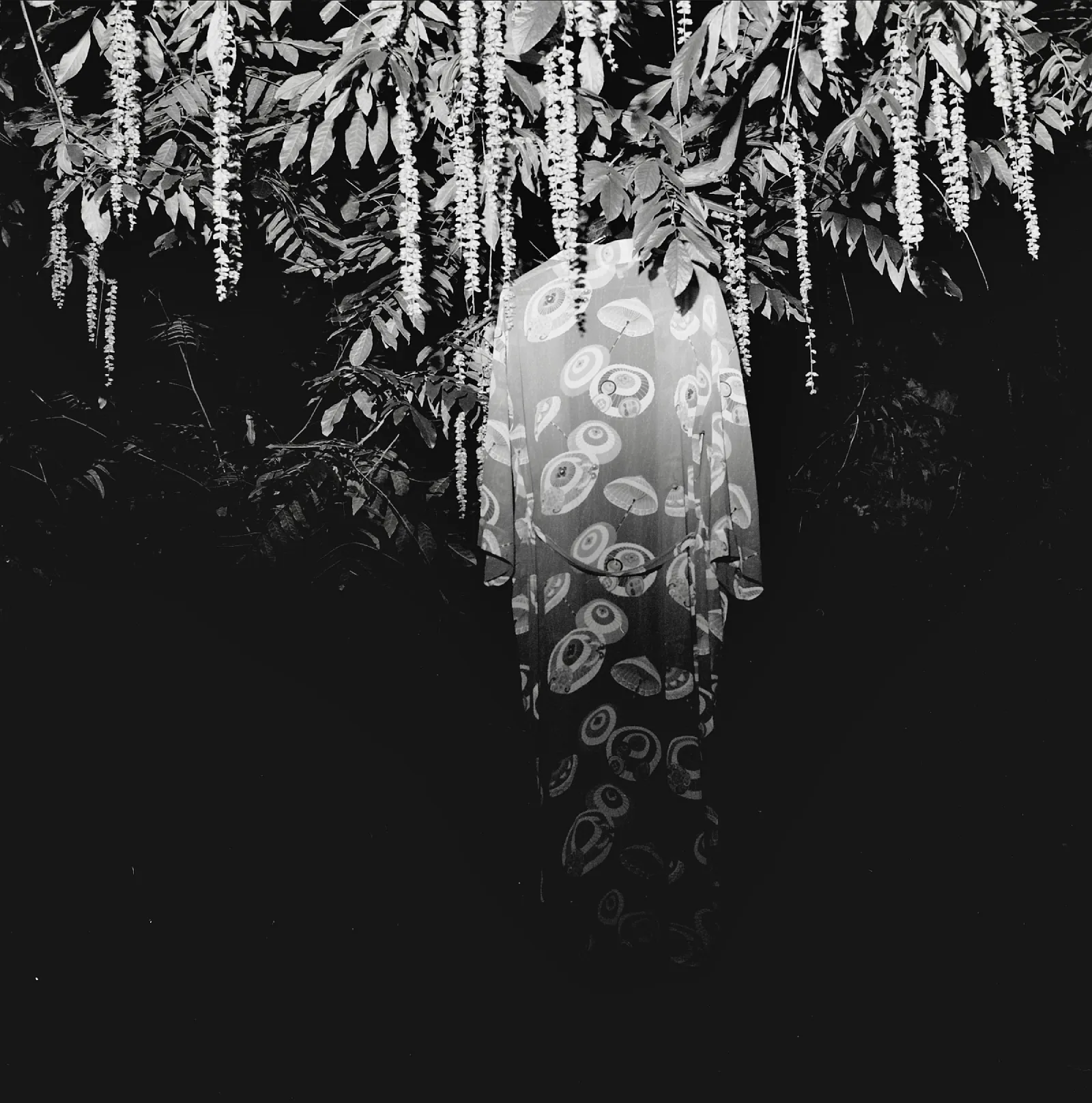
The exhibition showcases photographs and installations by Darya Boiko, Jessika Dirks, Mara Griem, Norbert Hillwig, Ulf Jasmer, Klaus G. Kohn, Matthias Langer, and Stefan Sobotta. These works, created both independently and specifically for the competition, utilize diverse photographic languages and stagings. Themes include portraits of people and their volunteer work (Klaus G. Kohn), aspects of club life using a soccer club as an example (Mara Griem), specific initiatives and engagements (Norbert Hillwig, Ulf Jasmer, Stefan Sobotta), and the socio-political movement “Letzte Generation” (Jessika Dirks). Additionally, the performance of Aeschylus’ play “The Persians” took place in 2008 as a project within the Theaterformen festival, involving approximately 400 citizens of Braunschweig; artist Matthias Langer created a large-format, long-exposure photograph for this project. Darya Boiko, another participant, captured narrative and abstract black-and-white scenes of social interaction in public spaces.
The project jury included:
Miriam Bettin (Director, Mönchehaus Museum Goslar), Michael Ewen (Board Member, Museum für Photographie Braunschweig e.V.), Barbara Hofmann-Johnson (Director, Museum für Photographie Braunschweig), Catherine Peter (Artist and Editor for Weltkunst, Berlin), Dr. Linda Sandrock (Research Assistant, Museum für Photographie Braunschweig), and Janek Wiechers (Cultural Journalist, NDR).
Ommo Wille
Insights into the Photographic Estate – Images from the Region in the Post-Reunification Era
With this exhibition, the Museum für Photographie Braunschweig offers insights into the photographic estate of the artist Ommo Wille (1959–2024).
Ommo Wille studied Fine Arts at the University of Fine Arts Braunschweig (HBK) from 1981 to 1989 and subsequently held teaching positions at the University of the Arts Berlin (UdK), where he passed away in 2024 following a severe illness.
In 2026, his family donated the photographic estate—a significant portion of the artist’s oeuvre, which also encompasses drawings and paintings—to the Museum für Photographie Braunschweig. Ommo Wille was also active as an illustrator.
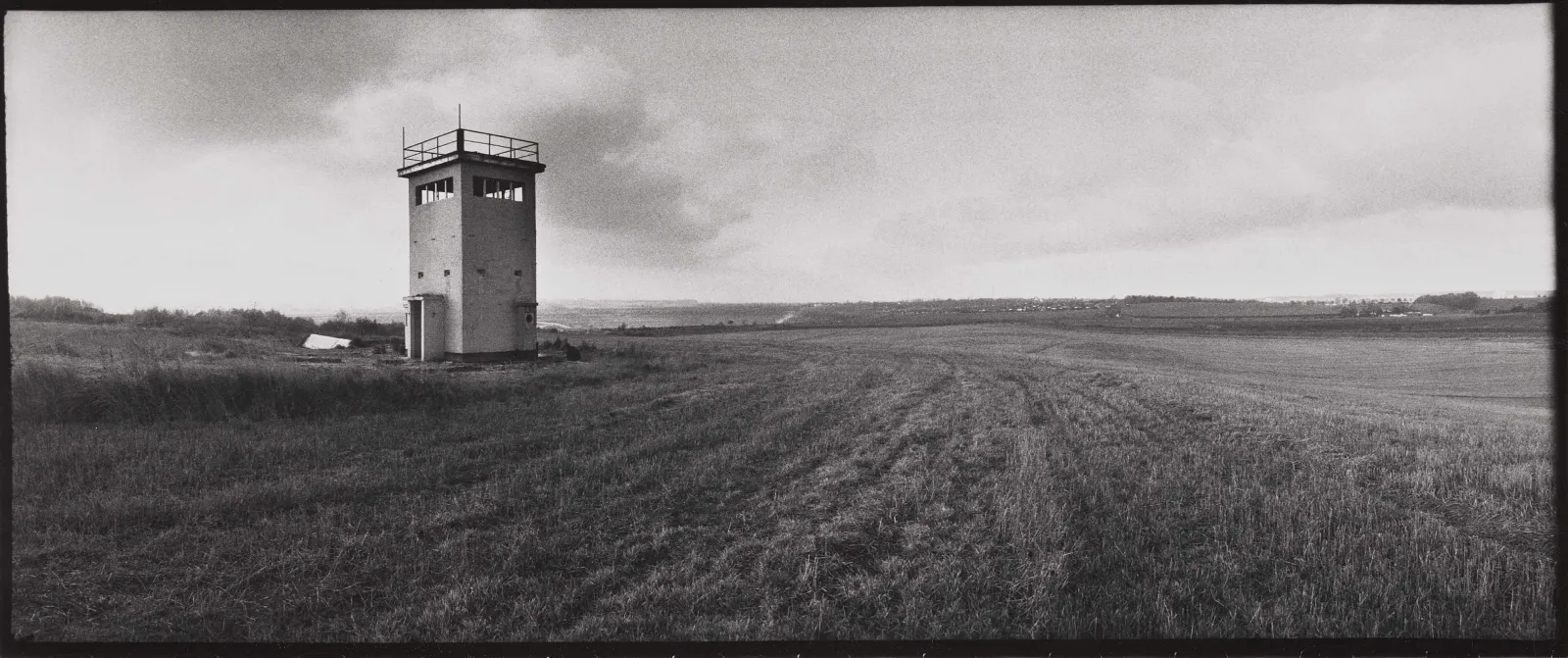
In the early 1990s—shortly after the “Wende” (the political transition following German reunification)—Ommo Wille explored the former German-German borderlands in the region surrounding Braunschweig and Saxony-Anhalt, as well as in Berlin, Potsdam, and Brandenburg, through an extensive photographic project titled “Zwischenzeit” (Interim). Numerous black-and-white photographs were created using a panoramic camera; captured from expansive and distinct compositional perspectives, they document the structural upheavals of the post-1989 transition era. They offer insights into the politically charged landscapes of the former GDR—landscapes whose socio-political repercussions remain relevant to this day.
Alongside images of the former Harbke Manor (known during the GDR era as the “Hof der LPG Freundschaft”), the collection features exterior and interior views of the structures at the Marienborn border crossing, abandoned military installations at the former Erxleben Manor, and many other subjects, all produced as gelatin silver hand prints.
Several images from this body of work were already part of the collection of the Museum of Photography and have been featured in projects—such as “Das regionale Gedächtnis” (The Regional Memory)—or in exhibitions organized by the “Braunschweigische Landschaft” over recent years. Exhibitions dedicated to this significant body of work were presented shortly after its creation: in 1993 at the University Gallery of the HBK Braunschweig, and in 1994 at the Braunschweig State Museum.
Included in this body of work is an image of the former “Palast der Republik” (Palace of the Republic)—a site currently back in the media spotlight—which opened in East Berlin 50 years ago, on April 23, 1976, before being demolished in the 1990s due to asbestos contamination. Until 1990, it served as the seat of the GDR’s “Volkskammer” (People’s Chamber) as well as a popular venue for leisure and cultural activities. Thanks to its extensive lighting systems, the foyer and stairwell remained brightly illuminated both day and night.
In a series of high-quality, color-saturated prints, Ommo Wille dedicated another major body of work within his photographic oeuvre to “Erichs Lampenladen” (Erich’s Lamp Shop)—as the Palace was colloquially known—prior to its demolition. Regarding this project, he wrote: “In 1992 and 1993, I had the opportunity to visit the GDR’s ‘Palast der Republik’ one last time, under the expert guidance of an engineer, and to photograph it using a medium-format camera (Pentacon Six, 6 x 6 cm). Each visit was limited to a duration of two hours. Consequently, the resulting volume of photographic material is, unfortunately, quite limited. Nevertheless, I hope that I can offer at least a brief glimpse into the ‘Palast der Republik’—a place that has now vanished.”
From a contemporary perspective, these photographs serve as a fusion of historical document and visual image.
Framework program
☞ Sign-up for PiE’s free, weekly Newsletter and stay up to date!
Friday, May 8, 2026, 7 pm
Opening reception
Welcome
Michael Ewen, Board Member, Museum of Photography Braunschweig e.V.
Anke Kaphammel, Mayor of the City of Braunschweig
Introduction
Barbara Hofmann-Johnson, Director, Museum of Photography Braunschweig
Every 1st Thu/Month, 1 – 8 pm
Happy Thursday
Every first Thursday of the month, the current exhibition can be visited free of charge and with extended opening hours until 8 pm. A free guided tour (held in German) with the museum team also takes place at 6 pm.
Details
Sundays, 4 pm
Guided tours
Public guided tours of the exhibitions take place on Sundays and are included in the admission price. Registration is not required.
Details
Sunday, May 9, 2026, 3 pm
Exhibition tour with participants (de)
Sunday, May 17, 2026, 11 am – 6 pm
Museums uniting a divided world – International Museum Day
Guided tours every full hour with participants, children‘s program in the garden, garden café, free entrance
Friday, May 29, 2026, 3 pm
Family tour (de)
With Pauline Behrmann
Saturday, May 30, 2026, 11 am – 1 pm
Photo Workshop (de)
With Daphne Schüttkemper.
Friday, June 12 – Sunday, June 14, 2026, 11 am – 6 pm
Land & Lions – Lower Saxony Day
From June 12th to 14th, the 39th Lower Saxony Day will take place in Braunschweig’s city center. Under the motto “Land & Lions”, the city will be transformed into a large festival area celebrating volunteer work, culture, and the diversity of the state.
Details
Saturday, June 27, 2026, 7 pm – midnight
Braunschweig Museum Night
As one of 10 institutions, we are opening our doors for Braunschweig’s Museum Night. Hourly short tours will showcase the current exhibitions. Ommo Wille: Insights into his photographic legacy and With a Little Help from Our Friends The museum garden is open with a bar and music, a photo station with a replica oversized Rolleiflex camera with a peephole offers the opportunity for funny shots, and a photo quiz invites visitors on a discovery tour through the museum.
Tickets for the Museum Night can now be purchased from us (regular: €9 / reduced: €7).
7 pm – 11 pm: Short guided tours on the hour
7 pm – midnight: Music and bar in the garden
7 pm – midnight: Rolleiflex photo station
7 pm – midnight: Photo Quiz
Details
Sunday, June 28, 2026, 4 pm
Exhibition tour with participants (de)
Guided tours for various age groups, children’s birthday parties, and workshops can be booked individually via vermittlung@photomuseum.de