


The latest issue of the photo journal Filter focuses on the role of photography in an age characterised by fake news, AI-generated photorealistic images, declining trust in authorities and established news media, and the increasing use of photography as a propaganda tool in wars and conflicts.
FILTER #8: Photography Post-Truth explores how the photographic medium both communicates and shapes our understanding of reality, and how photographs – whether intentionally or unconsciously – have been used to manipulate the masses and spread a particular worldview. In doing so, they have influenced history, science and the lives and beliefs of individuals.
Photo historian Rolf Sachsse reveals how the Nazis used photography as a propaganda tool, and how their image politics made large segments of the German population turn a blind eye to the horrors around them. In an interview with media artist Boris Eldagsen, he talks about his transition from working as a photographer to creating art with AI-image generators, and reflects on the fundamental differences between the two media. As a member of the German Photo Council’s expert group on technological progress, he comments on the significance of the spread of photorealistic AI-generated images for the future of photography and our view of the medium. Related to this, Senior Lecturer in Photojournalism Lewis Bush examines the causes of the growing distrust of authorities in general – and journalists and photojournalists in particular – and presents strategies that the media can use to regain and strengthen the credibility of photography at a time when the authenticity of images is increasingly uncertain. Artist and postdoctoral researcher at the Hasselblad Foundation, Kerstin Hamilton, explores how scientific photographs and technology shape our understanding of the world and emphasises the need for critical reflection on how images convey the complexity of the world, while PhD-candidate Oscar Vindel Schönström gives an account of how documentary and art photography have developed from the mid-1990s to the present day.
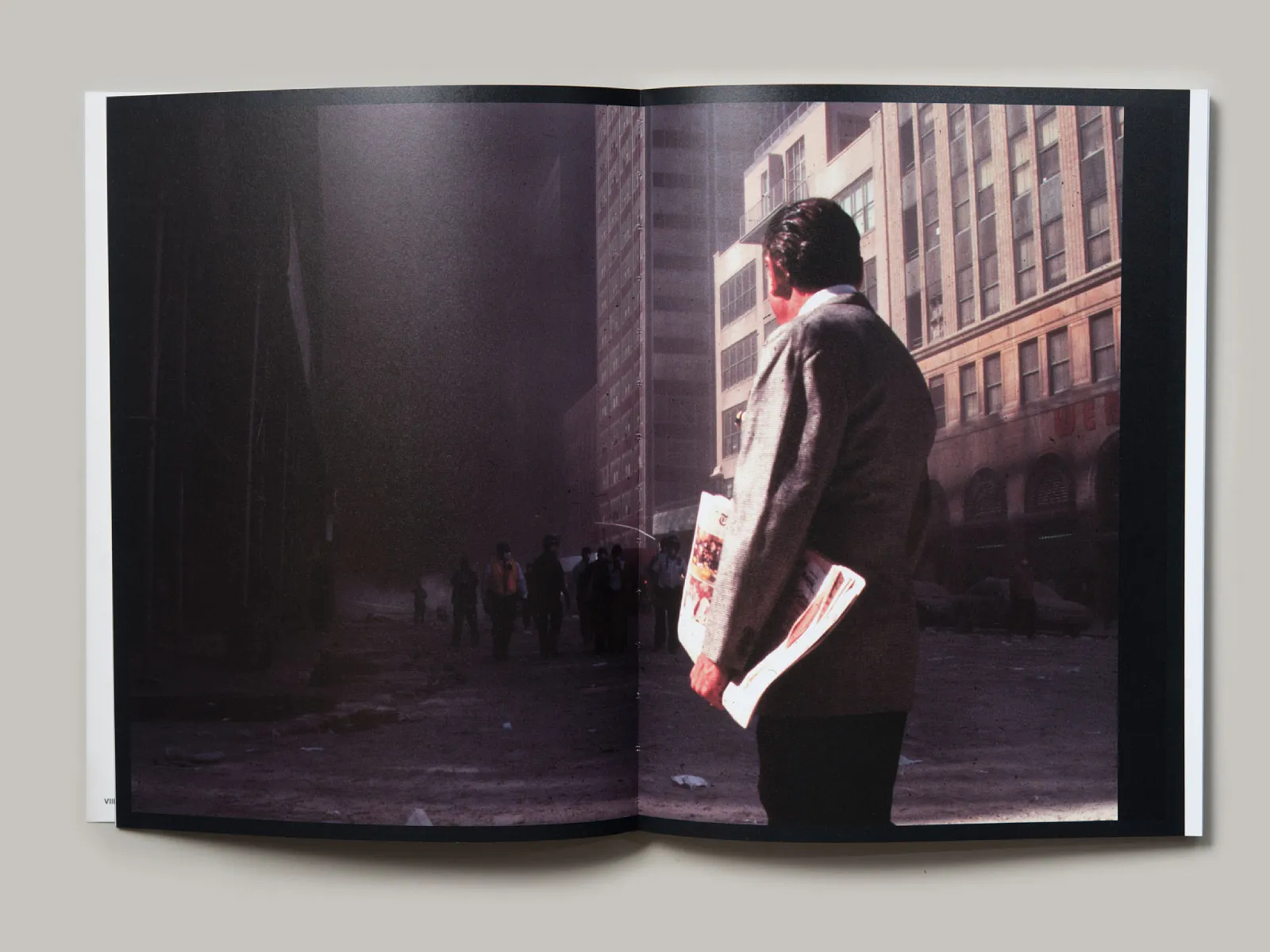
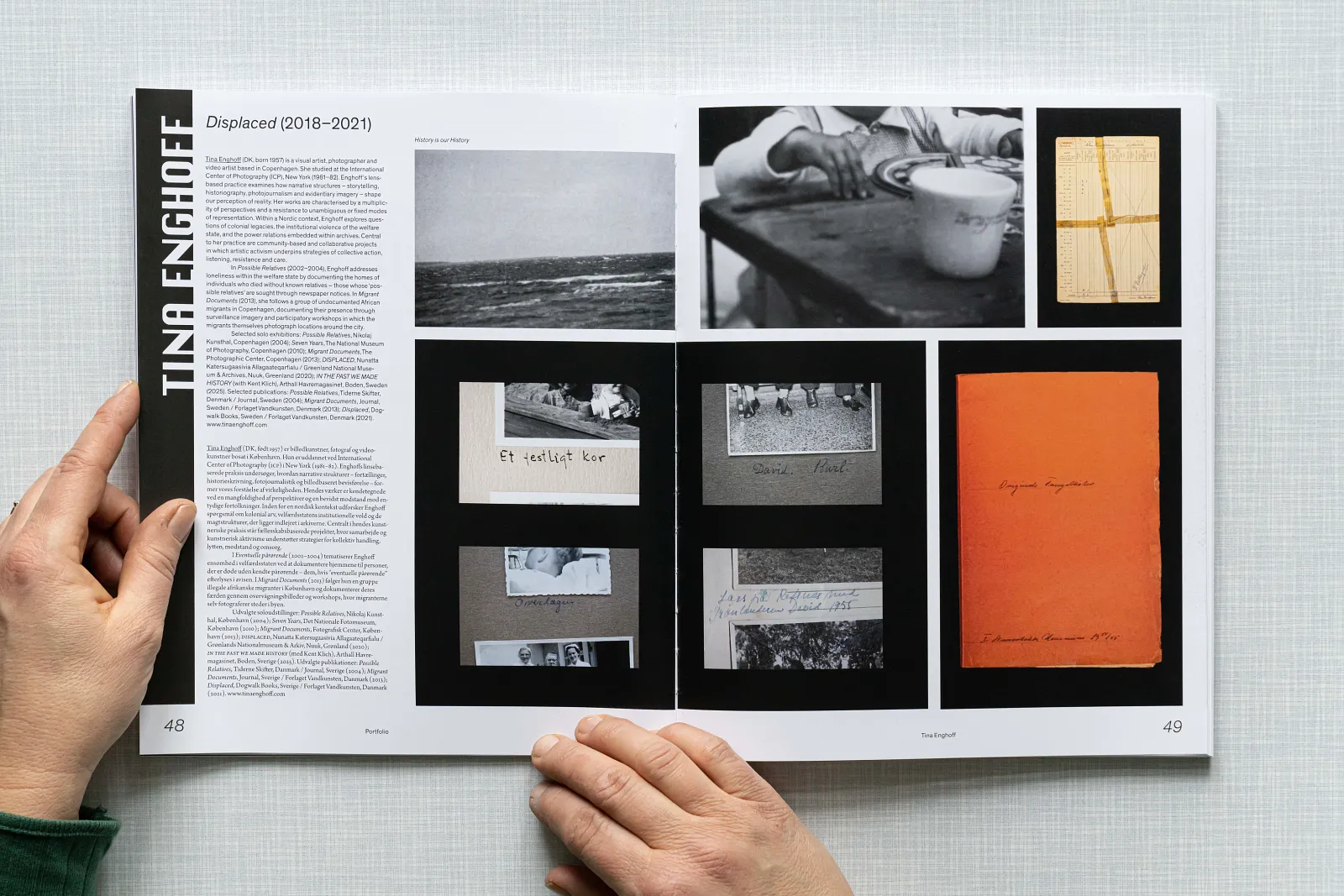
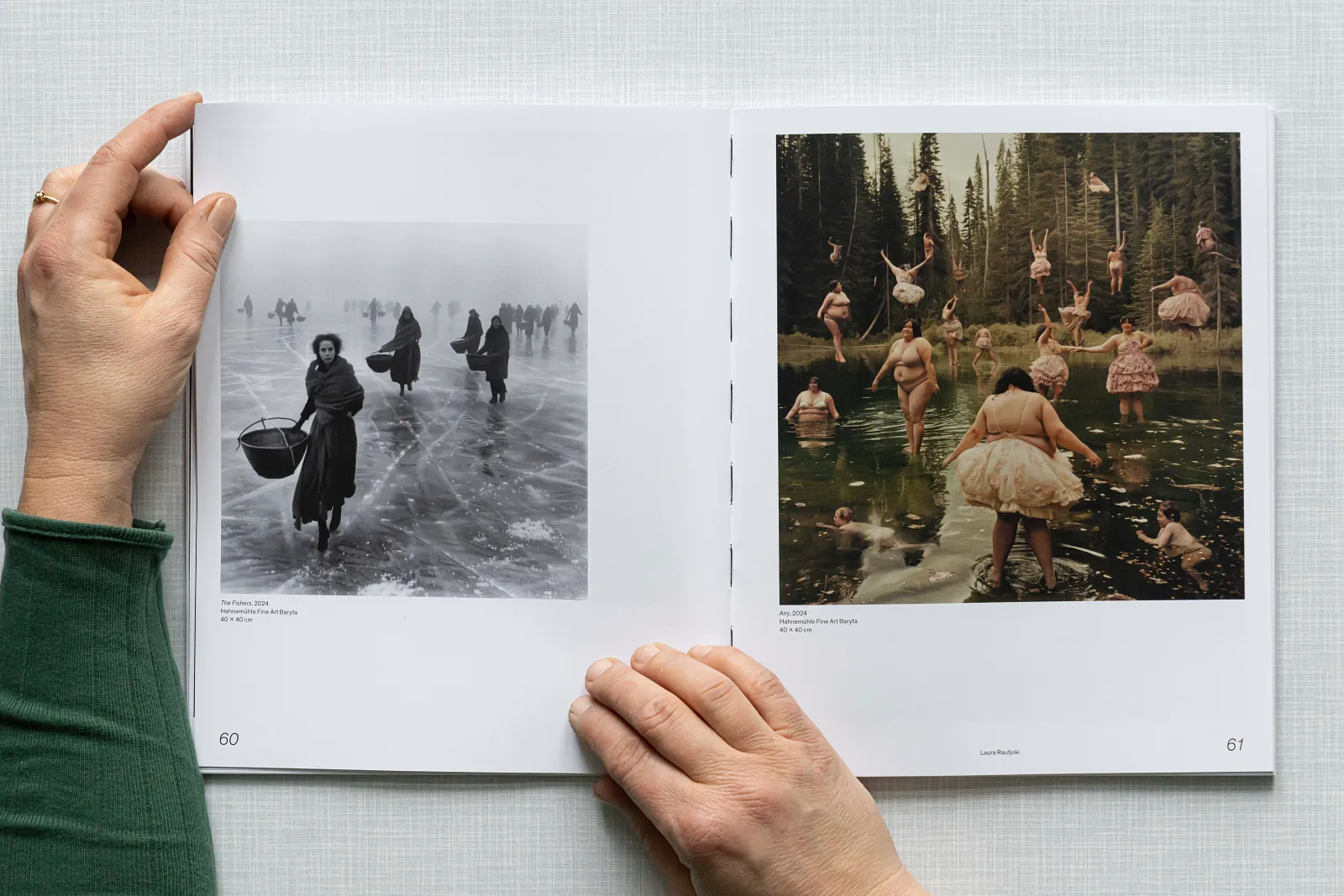
The theoretical contributions are complemented by seven portfolios featuring works by internationally recognised artists. Joan Fontcuberta (ES) reveals how easily we can be fooled by manipulated images. By combining real events, authentic photographs and natural history specimens with fictitious scientific discoveries and AI-generated images purporting to be genuine scientific photography, he creates uncertainty about where the boundary lies between fact and fiction, truth and manipulation. Laura Rautjoki (FI) examines how Finnish women have been represented since the invention of photography and how this image of women can be reshaped and reimagined using AI-image generator tools. Lewis Koch’s (US) series Hostile Takeover (11.08.16) is a reaction to the political climate in the United States following Donald Trump’s election victory in 2016 and the global spread of fake news, whereas Andreas Koch’s (DE) photomontages demonstrate how convincingly digital photographs can be manipulated using image-editing software. Through techniques such as double exposure, backlighting, chemical traces and long exposure times, visual artist Astrid Kruse Jensen (DK) creates dreamlike interiors in which past and present merge in a shifted reality. Finally, Tina Enghoff (DK) and Andréas Lang (DE) mix archival material, documentary and staged photography in order to address difficult themes such as post-colonialism or genocide. Central to their practice is the question of what role photography, as a medium, plays in the negotiation of what is considered a true image of reality.
Publication details
• Year of Publication: 2026
• Publisher: Filter – for fotografi & permanent Verlag
• Language: English / Danish
• Editor: Camilla Kragelund
• Layout: Andreas Koch, Berlin
• Printing: Gallery Print, Berlin
• Colour printing, open thread binding, foil sealed
• Length: 132 pages
• Recommended retail price: 25 EUR
• ISBN: 978-87-970031-3-8 (Filter)
• ISBN: 978-3-910541-28-3 (permanent Verlag)
About Filter – for fotografi
FILTER is a photography journal in book format that examines the social, political and artistic significance of photography from a cultural studies perspective. Each issue is dedicated to a specific theme and integrates both contemporary photography and historical photographic material, encompassing a range of photographic practices, including amateur, artistic, documentary, press, travel and scientific photography.
Buy Book:
25 €
permanent Verlag
Buchhandlung Walther König
www.buecherbogen.com
doyoureadme.de
pro-qm.de
jppol.dk
webshop.kb.dk
fotografiskcenter.mybigcommerce.com